
Search
Products meeting the search criteria
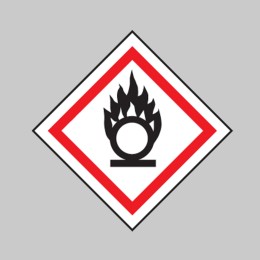
GHS Labels - Oxidiser -
Using GHS Labels for Oxidisers is essential to ensure clear and consistent communication of chemical hazards across workplaces, transportation, and storage facilities. These labels help identify substances that can greatly increase the risk of fire or explosion by supplying oxygen to support combustion. Because oxidisers may not be obviously dangerous on their own, the label serves as a critical warning to anyone handling or coming into contact w..
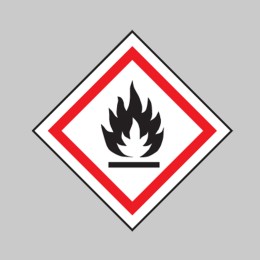
GHS Labels - Flammable -
Using GHS labels for flammable substances is vital for clearly communicating the fire risks associated with certain chemicals and materials. These labels alert workers, handlers, and emergency responders to the presence of substances that can easily catch fire, helping everyone take the necessary precautions during handling, storage, and transport. Since flammable materials can ignite from heat, sparks, or open flames, proper labeling plays a key..
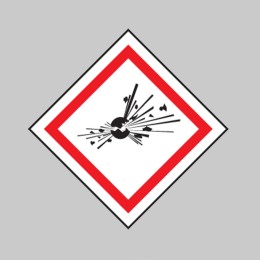
GHS Labels - Explosive -
Using GHS Labels for Explosive Substances is essential for clearly identifying materials that pose a significant risk of explosion. These labels warn workers, handlers, transporters, and emergency responders about the potential danger of rapid chemical reactions that can cause blasts, fires, or projectiles. Proper labeling ensures that everyone is aware of the high-risk nature of these substances, promoting caution and safe handling. One key reas..
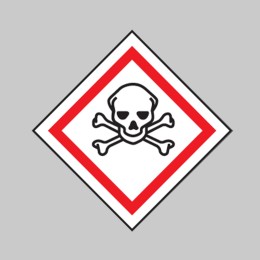
GHS Labels - Toxic -
Using GHS Labels for Toxic Substances is crucial for clearly communicating the health hazards posed by chemicals that can cause serious illness or death if ingested, inhaled, or absorbed through the skin. These labels alert workers, handlers, and emergency responders to the presence of toxic materials, ensuring they take necessary precautions to avoid exposure. One important reason to use GHS toxic labels is to protect human health by informing i..
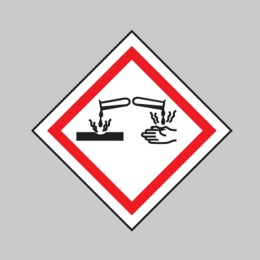
GHS Labels - Corrosive -
Using GHS Labels for Corrosive Substances is essential for clearly identifying chemicals that can cause severe damage to skin, eyes, metals, and other materials. These labels warn workers, handlers, and emergency responders about the risks of chemical burns, tissue damage, and material corrosion, helping them take the necessary precautions during handling, storage, and transport. One key reason to use GHS corrosive labels is to protect human heal..

GHS Labels - Compressed Gas -
Using GHS Labels for Compressed Gas is crucial for clearly identifying containers and storage areas that hold gases under pressure. These labels warn workers, transporters, and emergency responders about the potential dangers such as explosions, rapid release of gas, or asphyxiation risks if the gas is released uncontrollably. Proper labeling ensures that everyone is aware of the hazards and handles these materials with the necessary care. One im..
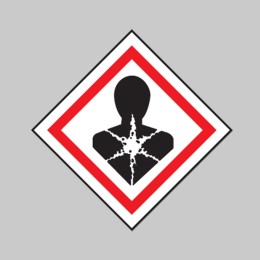
GHS Labels - Health Hazard -
Using GHS Labels for Health Hazards is vital for clearly communicating the presence of substances that can cause serious health effects, such as respiratory issues, carcinogenicity, reproductive toxicity, or organ damage. These labels alert workers, handlers, and emergency responders to the potential long-term or chronic health risks posed by certain chemicals, encouraging careful handling and protective measures. One key reason to use GHS health..
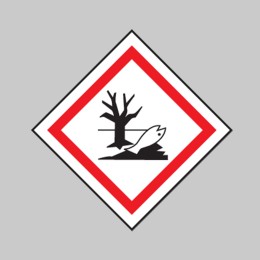
GHS Labels - Environmentally Hazardous -
Using GHS Labels for Environmentally Hazardous Substances is crucial for identifying chemicals that pose a significant threat to the environment, particularly aquatic life. These labels alert workers, handlers, and emergency responders to the potential dangers that these substances can cause if released into water bodies or ecosystems, helping to prevent environmental contamination. One key reason to use GHS environmentally hazardous labels is to..
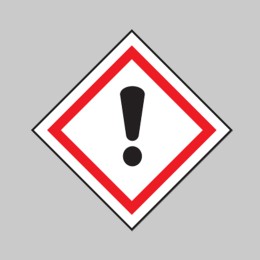
GHS Labels - Irritant -
Using GHS Labels for Irritant Substances is important for clearly identifying chemicals that can cause inflammation, redness, or discomfort to the skin, eyes, or respiratory system upon contact or exposure. These labels alert workers and handlers to the potential for mild to moderate irritation, helping them take necessary precautions to avoid harm. One key reason to use GHS irritant labels is to protect people’s health and comfort by encouraging..
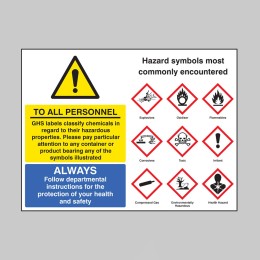
GHS Symbols -
A GHS Symbol Warehouse Reminder Sign plays a vital role in maintaining safety in environments where chemicals are stored and handled. By prominently displaying the common Globally Harmonised System (GHS) hazard symbols, the sign helps warehouse workers quickly recognize the types of dangers present. This visual reminder supports proper identification of hazardous materials, reducing the risk of accidents caused by mishandling or improper storage...
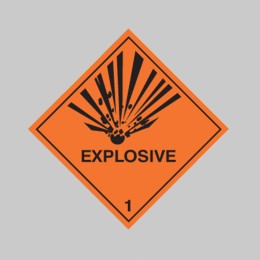
Explosive Diamond -
UN regulations (including ADR, IATA and IMDG) stipulate that all dangerous goods must be clearly identified. Diamonds (other than those of class 7 radioactive status) and the insert of any text (other than UN class number) below the symbol is to be confined to particulars indicating the nature of the risk and precautions to be followed during handling of them. Text to signify the nature of the risk is optional. Material Options Explained Belo..
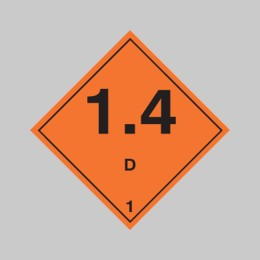
1.4 Diamond -
UN regulations (including ADR, IATA and IMDG) stipulate that all dangerous goods must be clearly identified. Diamonds (other than those of class 7 radioactive status) and the insert of any text (other than UN class number) below the symbol is to be confined to particulars indicating the nature of the risk and precautions to be followed during handling of them. Text to signify the nature of the risk is optional. Material Options Explained Belo..
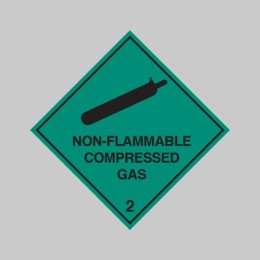
Non-Flammable Compressed Gas 2 -
UN regulations (including ADR, IATA and IMDG) stipulate that all dangerous goods must be clearly identified. Diamonds (other than those of class 7 radioactive status) and the insert of any text (other than UN class number) below the symbol is to be confined to particulars indicating the nature of the risk and precautions to be followed during handling of them. Text to signify the nature of the risk is optional. Material Options Explained Below i..
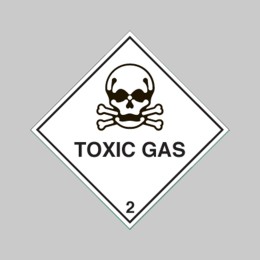
Toxic Gas Diamond -
UN regulations (including ADR, IATA and IMDG) stipulate that all dangerous goods must be clearly identified. Diamonds (other than those of class 7 radioactive status) and the insert of any text (other than UN class number) below the symbol is to be confined to particulars indicating the nature of the risk and precautions to be followed during handling of them. Text to signify the nature of the risk is optional. Material Options Explained Below i..
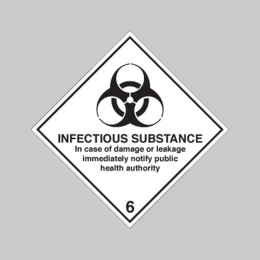
Infectious Substance Diamond -
UN regulations (including ADR, IATA and IMDG) stipulate that all dangerous goods must be clearly identified. Diamonds (other than those of class 7 radioactive status) and the insert of any text (other than UN class number) below the symbol is to be confined to particulars indicating the nature of the risk and precautions to be followed during handling of them. Text to signify the nature of the risk is optional. Material Options Explained Below i..
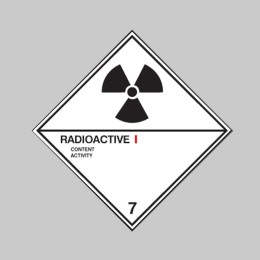
Radioactive I Diamond -
UN regulations (including ADR, IATA and IMDG) stipulate that all dangerous goods must be clearly identified. Diamonds (other than those of class 7 radioactive status) and the insert of any text (other than UN class number) below the symbol is to be confined to particulars indicating the nature of the risk and precautions to be followed during handling of them. Text to signify the nature of the risk is optional. Material Options Explained Below i..
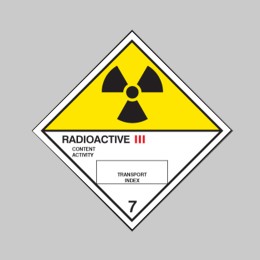
Radioactive III Diamond -
UN regulations (including ADR, IATA and IMDG) stipulate that all dangerous goods must be clearly identified. Diamonds (other than those of class 7 radioactive status) and the insert of any text (other than UN class number) below the symbol is to be confined to particulars indicating the nature of the risk and precautions to be followed during handling of them. Text to signify the nature of the risk is optional. Material Options Explained Below i..
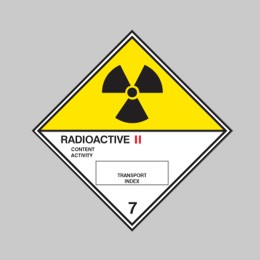
Radioactive II Diamond -
UN regulations (including ADR, IATA and IMDG) stipulate that all dangerous goods must be clearly identified. Diamonds (other than those of class 7 radioactive status) and the insert of any text (other than UN class number) below the symbol is to be confined to particulars indicating the nature of the risk and precautions to be followed during handling of them. Text to signify the nature of the risk is optional. Material Options Explained Below i..
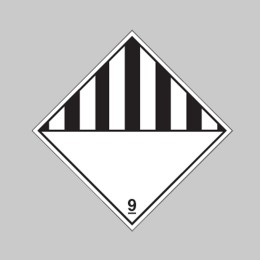
Black / White Diamond -
UN regulations (including ADR, IATA and IMDG) stipulate that all dangerous goods must be clearly identified. Diamonds (other than those of class 7 radioactive status) and the insert of any text (other than UN class number) below the symbol is to be confined to particulars indicating the nature of the risk and precautions to be followed during handling of them. Text to signify the nature of the risk is optional. Material Options Explained Below i..
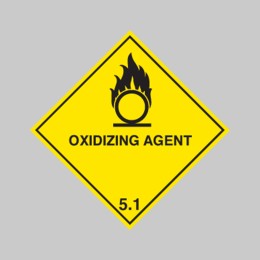
Oxidising Agent Diamond -
UN regulations (including ADR, IATA and IMDG) stipulate that all dangerous goods must be clearly identified. Diamonds (other than those of class 7 radioactive status) and the insert of any text (other than UN class number) below the symbol is to be confined to particulars indicating the nature of the risk and precautions to be followed during handling of them. Text to signify the nature of the risk is optional. Material Options Explained Below i..
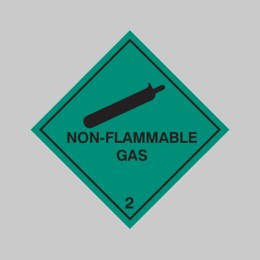
Non Flammable Gas -
UN regulations (including ADR, IATA and IMDG) stipulate that all dangerous goods must be clearly identified. Diamonds (other than those of class 7 radioactive status) and the insert of any text (other than UN class number) below the symbol is to be confined to particulars indicating the nature of the risk and precautions to be followed during handling of them. Text to signify the nature of the risk is optional. Material Options Explained Below i..
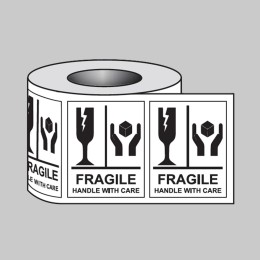
Fragile Handle with Care - Labels (Roll of 250) -
Gloss white polypropylene with permanent adhesive to ensure the packaging label stays in placeThe visual designs of these shipping labels ensures you have internationally recognised logos that are clearly understood A large clear shipping label..
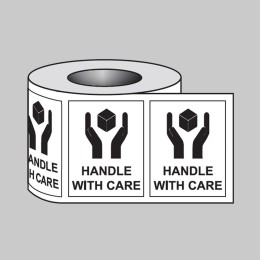
Handle with Care - Labels (Roll of 250) -
Gloss white polypropylene with permanent adhesive to ensure the packaging label stays in placeThe visual designs of these shipping labels ensures you have internationally recognised logos that are clearly understood A large clear shipping label..

Open this End - Labels (Roll of 250) -
Gloss white polypropylene with permanent adhesive to ensure the packaging label stays in placeThe visual designs of these shipping labels ensures you have internationally recognised logos that are clearly understood A large clear shipping label..
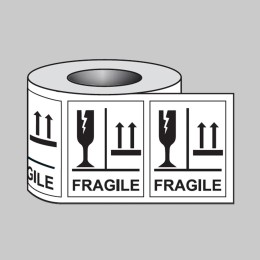
Fragile Glass this Way Up - Labels (Roll of 250) -
Gloss white polypropylene with permanent adhesive to ensure the packaging label stays in placeThe visual designs of these shipping labels ensures you have internationally recognised logos that are clearly understood A large clear shipping label..